
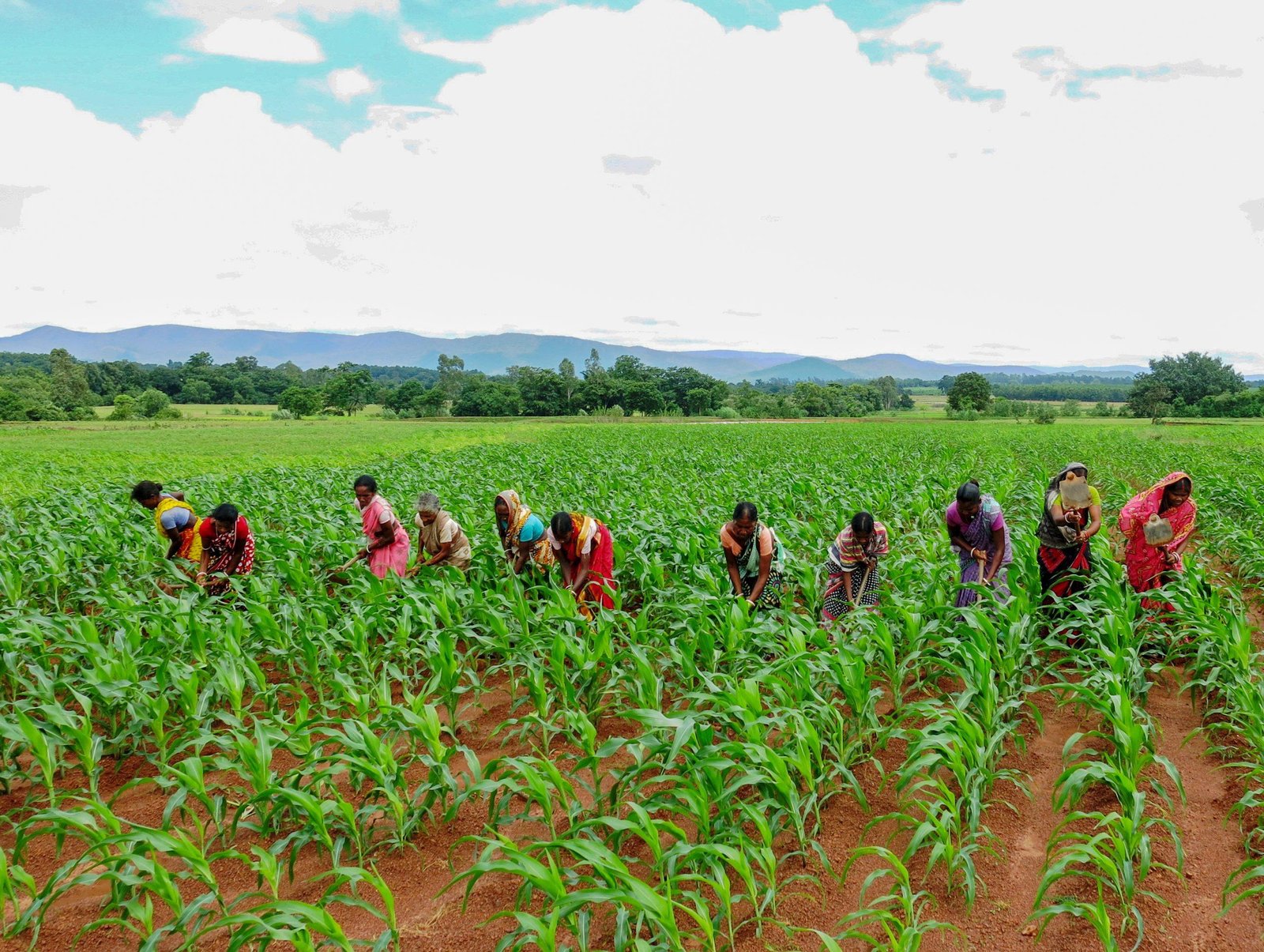
Organic Kharif Crops
Kharif crops are sown during the monsoon season (June–July) and harvested in September–November. In organic farming, these crops are cultivated using natural manures, biofertilizers, compost, and biological pest management instead of chemical fertilizers and pesticides.
Major Organic Kharif Crops
| English | Sowing Time | Harvest Time | |
|---|---|---|---|
| Rice (Paddy) | June–July | October–November | |
| Maize | June–July | September–October | |
| Pearl millet | June–July | September–October | |
| Sorghum | June–July | September–October | |
| Soybean | June–July | October | |
| Cotton | May–June | October–December | |
| Pigeon pea | June–July | December–January | |
| Green gram | June–July | August–September | |
| Black gram | June–July | September–October | |
| Groundnut | June–July | October–November |
Organic Inputs for Kharif Crops
- 🌱 Farmyard Manure (FYM)
- 🌿 Compost
- 🪱 Vermicompost
- 💧 Jeevamrit
- 🌾 Beejamrit
- 🌿 Neem Cake
- 🦠 Biofertilizers (Azotobacter, PSB, Rhizobium)
- 🌿 Neem oil and biological pesticides
- 🍂 Mulching
Benefits of Organic Kharif Farming
- ✅ Produces safe and chemical-free food
- ✅ Improves soil fertility
- ✅ Conserves soil moisture during monsoon
- ✅ Enhances biodiversity
- ✅ Reduces environmental pollution
Best Crop Rotation
- 🌾 Rice → Chickpea
- 🌽 Maize → Mustard
- 🌱 Soybean → Wheat
- 🌿 Bajra → Lentil
- 🌾 Cotton → Wheat
- 🌱 Moong → Mustard
These crop rotations help improve soil fertility, naturally reduce pests and diseases, and support sustainable organic farming.