Organic Flower Farming
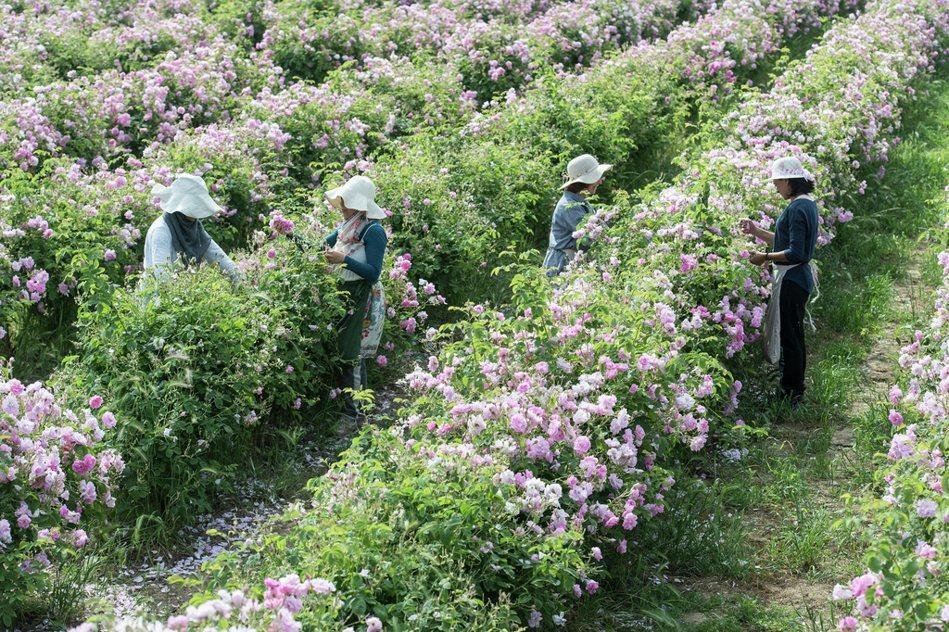
Organic flower farming is the cultivation of flowers without using chemical fertilizers, pesticides, or herbicides. Instead, natural inputs like compost, vermicompost, bio-fertilizers, neem products, and beneficial microbes are used to produce healthy, eco-friendly flowers.
Best Flowers for Organic Farming
- 🌼 Marigold
- 🌹 Rose
- 🌸 Jasmine
- 🌺 Hibiscus
- 🌻 Sunflower
- 🌼 Chrysanthemum
- 🌷 Tuberose (Rajnigandha)
- 🌸 Gladiolus
- 🌺 Gerbera (under protected cultivation)
1. Land Preparation
- Choose fertile, well-drained soil.
- Soil pH should be between 6.0 and 7.5.
- Plough the field 2–3 times.
- Add 8–10 tons of well-decomposed Farmyard Manure (FYM) per acre.
- Mix 1–2 tons of vermicompost before planting.
2. Seed or Planting Material
Use certified organic or untreated seeds and healthy seedlings.
Popular planting methods:
- Seed sowing
- Nursery transplanting
- Root cuttings (Rose)
- Bulbs (Tuberose, Gladiolus)
3. Organic Fertilizers
Use the following organic inputs regularly:
- Farmyard Manure (FYM)
- Vermicompost
- Compost
- Neem Cake
- Bone Meal
- Mustard Cake
- Panchagavya Spray
- Jeevamrit
- Bio-fertilizers (Azotobacter, PSB)
4. Irrigation
- Irrigate immediately after planting.
- Water every 5–7 days depending on weather.
- Drip irrigation is the best option.
- Avoid waterlogging.
5. Weed Management
- Hand weeding every 20–25 days.
- Mulching with straw or dry leaves.
- Use organic mulch to conserve moisture.
6. Organic Pest & Disease Control
Natural pest control methods:
- Neem Oil (3–5 ml/L water)
- Neem Seed Kernel Extract (NSKE 5%)
- Garlic-Chilli Extract Spray
- Trichoderma for fungal diseases
- Pseudomonas fluorescens
- Sticky Yellow Traps
- Pheromone Traps
7. Harvesting
Harvest flowers early in the morning.
Approximate harvesting period:
| Flower | First Harvest |
|---|---|
| Marigold | 60–70 Days |
| Rose | 3–4 Months |
| Jasmine | 6–8 Months |
| Tuberose | 90–100 Days |
| Chrysanthemum | 90–120 Days |
8. Expected Yield
| Flower | Average Yield |
|---|---|
| Marigold | 70–100 Quintals/Acre |
| Rose | 4–6 Tons/Acre |
| Jasmine | 2–3 Tons/Acre |
| Tuberose | 8–10 Tons/Acre |
Actual yield depends on variety, climate, and crop management.
9. Marketing
You can sell organic flowers through:
- Local flower markets
- Florists
- Wedding and event decorators
- Religious places (temples, gurudwaras, churches)
- Hotels and resorts
- Organic stores
- Online marketplaces
10. Benefits of Organic Flower Farming
- Chemical-free flowers
- Better soil fertility
- Lower environmental pollution
- Premium market prices
- Safer for farmers and consumers
- Higher long-term sustainability
Common Organic Inputs
- Vermicompost
- Farmyard Manure (FYM)
- Neem Cake
- Jeevamrit
- Panchagavya
- Trichoderma
- Azotobacter
- PSB (Phosphate Solubilizing Bacteria)
- Neem Oil
Organic flower farming is a profitable and environmentally friendly business, especially when high-demand flowers such as marigold, rose, jasmine, and tuberose are grown with proper organic management and marketed effectively.