
Organic Farming in Winter Weather (Complete Guide)
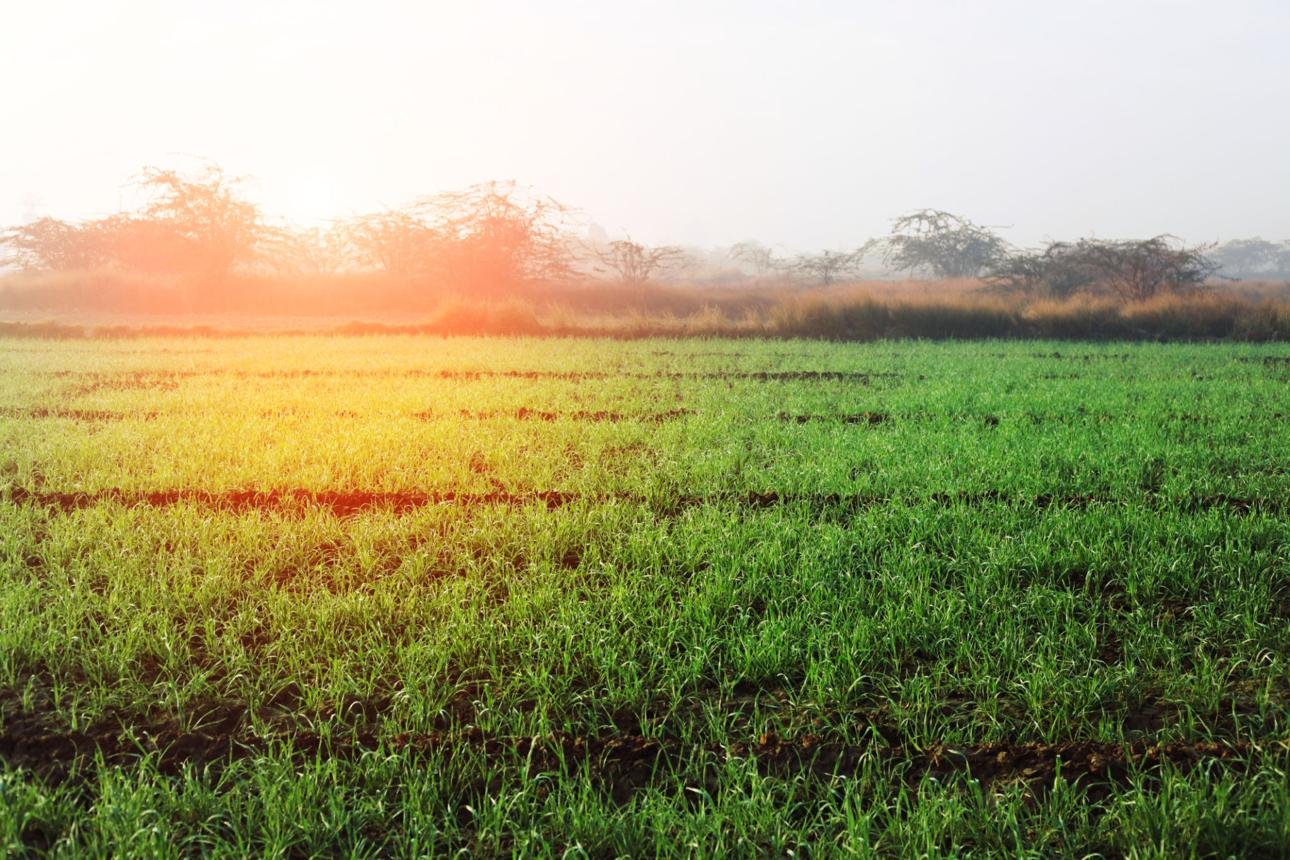
Winter (October–February in most parts of India) is one of the best seasons for organic farming. Cool temperatures reduce heat stress, improve crop quality, and are ideal for growing vegetables, cereals, and oilseeds.
Why Winter is Good for Organic Farming
- Cooler temperatures promote healthy plant growth.
- Many vegetables develop better color, taste, and texture.
- Less evaporation means lower irrigation requirements.
- Fewer insect pests compared to the summer season.
- Suitable conditions for high-value organic vegetable production.
Best Organic Crops for Winter
Vegetables
- Cabbage
- Cauliflower
- Broccoli
- Carrot
- Radish
- Spinach
- Fenugreek (Methi)
- Coriander
- Peas
- Beetroot
- Lettuce
- Onion
- Garlic
Field Crops
- Wheat
- Mustard
- Gram (Chickpea)
- Barley
Soil Preparation
- Add 10–15 tons of well-decomposed farmyard manure (FYM) per hectare before sowing.
- Mix vermicompost into the soil for improved fertility.
- Avoid fresh manure, as it can damage young plants.
- Maintain soil moisture before planting.
Organic Fertilizers
- Farmyard manure (FYM)
- Vermicompost
- Compost
- Neem cake
- Biofertilizers such as Azotobacter, Rhizobium, and Phosphate Solubilizing Bacteria (PSB)
Irrigation
- Irrigate according to crop needs.
- Water in the morning to reduce frost damage.
- Avoid overwatering, which can cause root diseases.
- Mulch around plants to conserve moisture.
Weed Management
- Remove weeds regularly by hand.
- Apply straw or dry-leaf mulch to suppress weed growth.
- Follow crop rotation to reduce weed pressure.
Organic Pest and Disease Control
- Spray neem oil (3–5 ml per litre of water) for aphids and other soft-bodied insects.
- Use garlic-chili extract as a natural insect repellent.
- Apply Trichoderma around the root zone to help prevent fungal diseases.
- Encourage beneficial insects such as ladybugs.
Frost Protection
- Cover young plants with row covers or agro-fabric during cold nights.
- Apply straw mulch around the base of plants.
- Irrigate lightly before a frost event if appropriate for the crop.
- Avoid late-evening irrigation during very cold weather.
Winter Crop Rotation Example
- Wheat → Green Gram (Moong)
- Mustard → Cowpea
- Cabbage → Okra
- Peas → Tomato
Crop rotation improves soil fertility and helps reduce pest and disease buildup.
Benefits of Organic Winter Farming
- High-quality produce
- Better market prices for organic vegetables
- Improved soil fertility
- Reduced dependence on chemical fertilizers
- Environmentally friendly farming
- Sustainable long-term production
Conclusion
Winter is an excellent season for organic farming in India. By using compost, biofertilizers, mulching, proper irrigation, and natural pest management, farmers can produce healthy, high-quality crops while maintaining soil health and reducing environmental impact. This approach supports both profitable and sustainable agriculture.