Organic Farming Introduction

Organic Farming Introduction

Organic farming is a natural method of agriculture that avoids the use of synthetic fertilizers, pesticides, herbicides, and genetically modified organisms (GMOs). It focuses on improving soil health, protecting the environment, and producing healthy, chemical-free food.

1.Key Principles of Organic Farming

  • Soil Health
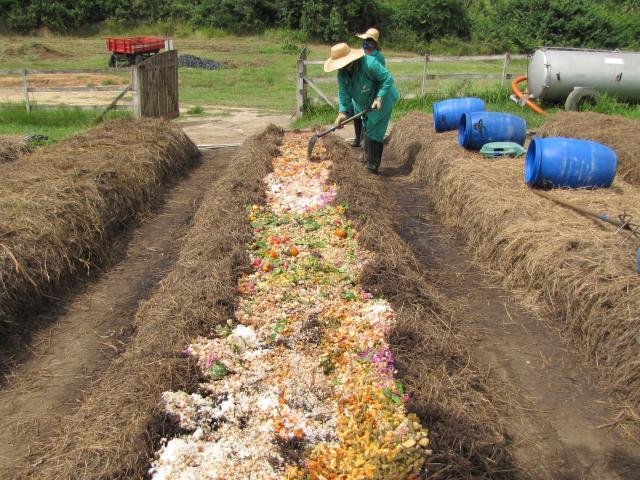
    • Use of compost, manure, and green manure.
    • Crop rotation to maintain soil fertility.
  • Natural Pest Control
    • Biological control using beneficial insects.
    • Natural pesticides such as neem extracts.
  • Avoidance of Synthetic Inputs
    • No synthetic fertilizers, pesticides, or herbicides.
    • No genetically modified organisms (GMOs).
  • Biodiversity Conservation
    • Mixed cropping and intercropping.
    • Protection of natural habitats around farms.

2. Natural Pest Control

  • Use neem oil and neem-based pesticides.
  • Encourage beneficial insects.
  • Prepare organic pest control solutions.

3. Crop Rotation

  • Rotate crops every season.
  • Maintain soil nutrients.
  • Reduce pests and diseases naturally.

4. Green Manure

  • Grow Dhaincha or Sunhemp.
  • Mix the crop into the soil before flowering.
  • Increase nitrogen naturally.

5. Biodiversity

  • Practice mixed cropping.
  • Plant trees around the farm.
  • Protect birds and beneficial insects.

Advantages

  • Chemical-free food
  • Healthy soil
  • Better environment
  • Higher biodiversity
  • Long-term sustainability
  • Premium market price

Leave a Comment